



4 March 2026: A new study on the impact of climate change on Arctic ecossystems
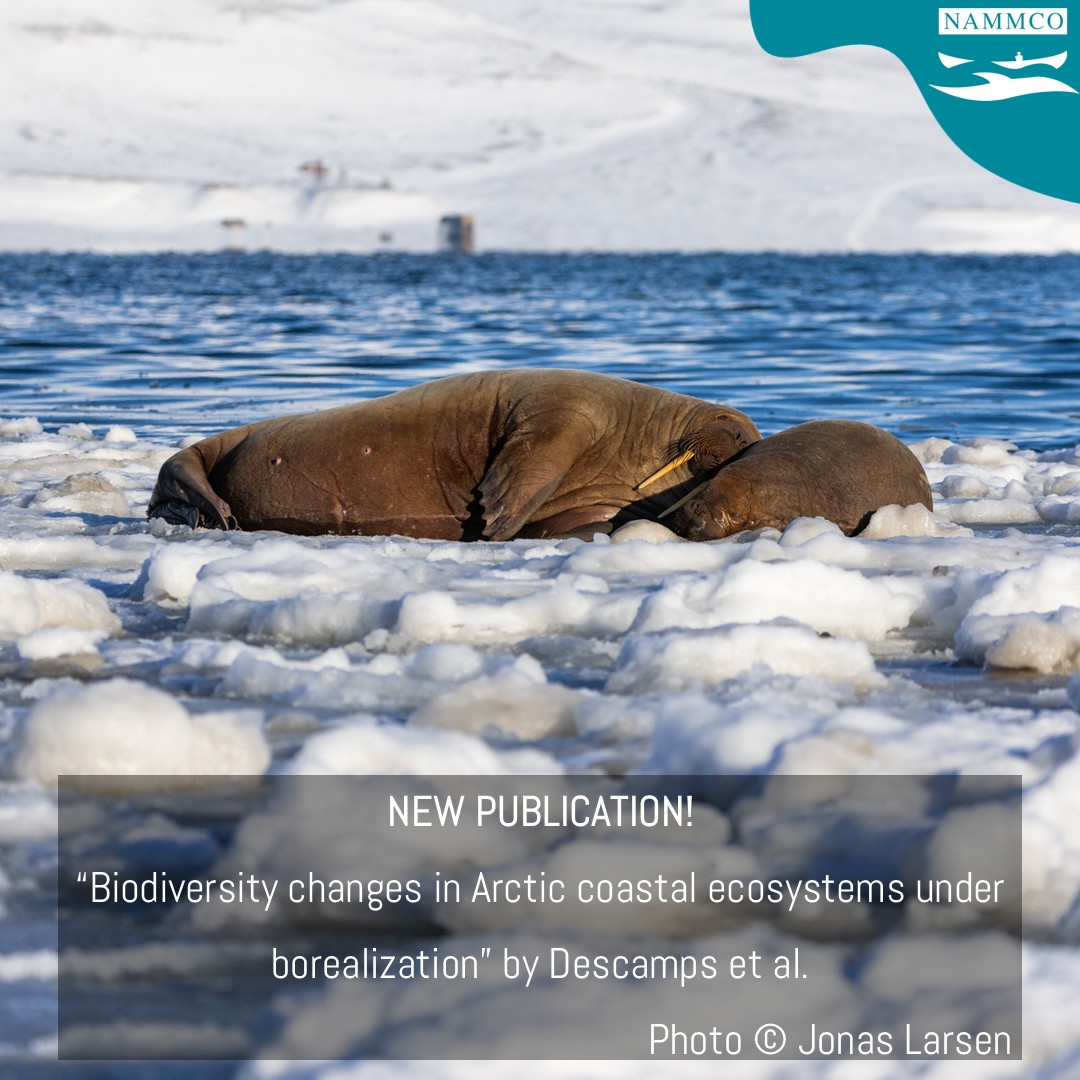
A study by Descamps and colleagues, titled “Biodiversity changes in Arctic coastal ecosystems under borealization”, was published in the PNAS Nexus Journal in February 2026.
Climate change is a key driver of the ongoing global biodiversity crisis. In the Arctic, ocean warming and sea-ice decline are expected to shift local ecosystems towards warmer, temperate conditions. You may have heard the term “Atlantification of the Arctic Ocean”, as the warmer, saltier water of the North Atlantic extends further north. Such environmental changes allow boreal (northern temperate) species to spread into the Arctic and increase in abundance, while threatening Arctic species with a high risk of extinction; this process is called borealization.
The full impact that climate change will have on Arctic ecosystems and their biodiversity is still largely unknown. Descamps and colleagues assessed the ongoing biodiversity changes in the Atlantic part of the Arctic by combining three decades of abundance data of various species, from zooplankton (tiny animals that drift through the water column) to marine mammals.
The results reveal the borealization of Arctic ecosystems on the Atlantic side, with a general increase in abundance for boreal species and variable results for Arctic species: zooplankton species are decreasing in abundance, while mammal and fish abundance remain relatively stable. These changes are leading to an increase in biodiversity in the Arctic, with more species coexisting with each other. However, the authors remain cautious, suggesting that the biodiversity increase may be just a transitional state, while leading to a decline in the Arctic ecosystems’ integrity and uniqueness.
Read the full article by Descamps et al., HERE.
Photo credit: Jonas Larsen