



2 March 2026: New study on stranding networks as a tool for monitoring marine mammal populations in Europe
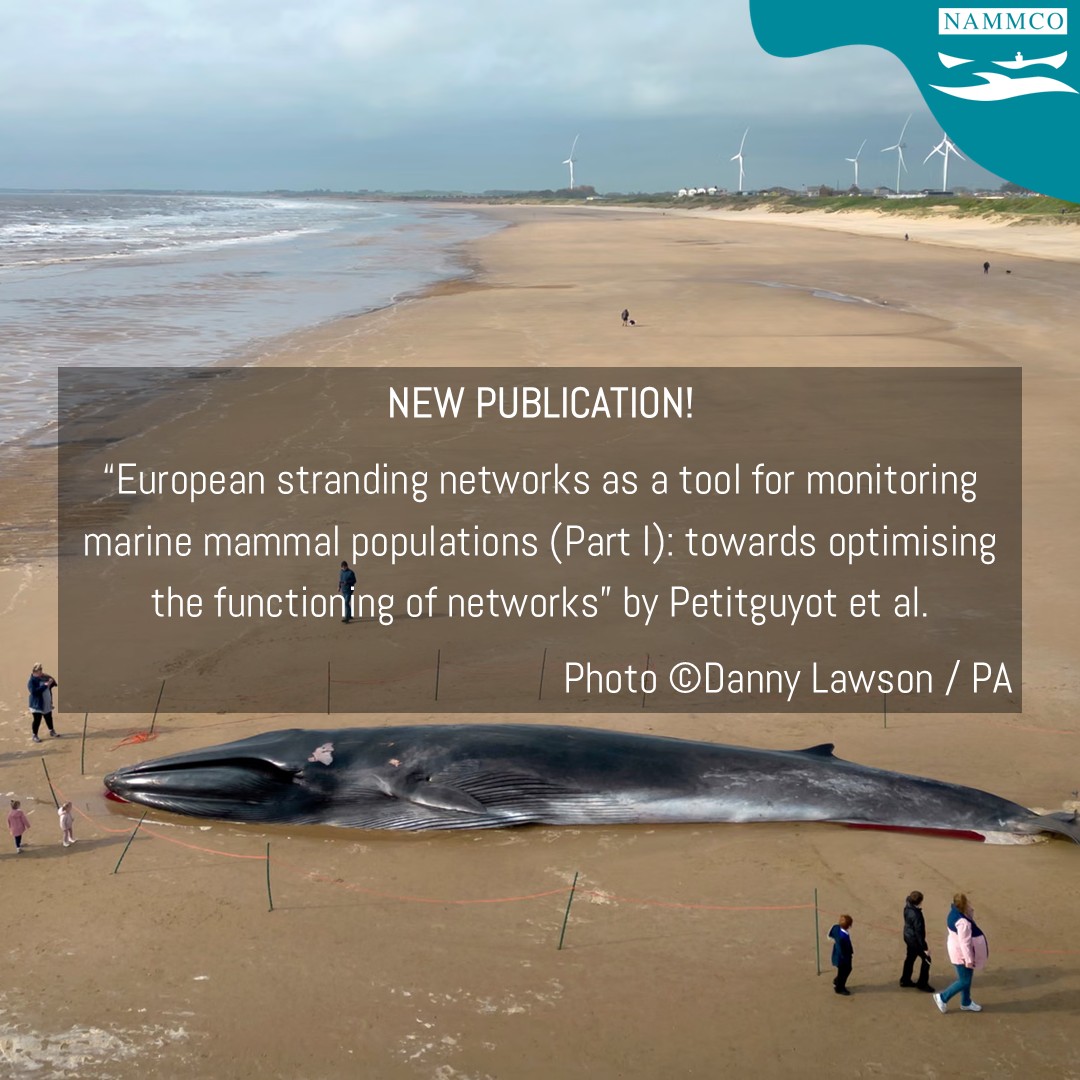
A study by Petitguyot and colleagues, titled “European stranding networks as a tool for monitoring marine mammal populations (Part I): towards optimising the functioning of networks”, was published in the ICES Journal of Marine Science in November 2025.
Marine mammal strandings can be used to monitor the populations of species around the world. But the value of stranding data depends on their quality and representativeness, which is affected by a variety of factors. In Europe, there are various stranding networks that work independently from each other; understanding how they work could help in identifying limitations and improving data collection.
This study presented an analysis carried out by the International Council for the Exploration of the Sea’s Working Group on Marine Mammal Ecology. In 2021, they provided a questionnaire to 45 organisations working with marine mammal strandings across Europe. The questionnaire aimed to gain insight into the contribution of the various European stranding networks as monitoring tools, characterising their activities and capacities and providing improvement recommendations, particularly on ways to improve data collection on by-catch–induced marine mammal deaths.
Petitguyot and colleagues report that the existing stranding networks provide an extensive coverage of European coastlines, both in space and time. But certain limitations, such as a lack of human resources and of veterinary expertise, currently constrain their work. The authors suggest various ways of improving data quality, while highlighting the need for stronger coordination between the networks and the potential value of a common database.
You can read the full article by Petitguyot et al., HERE.
Photo credit: Danny Lawson / PA.